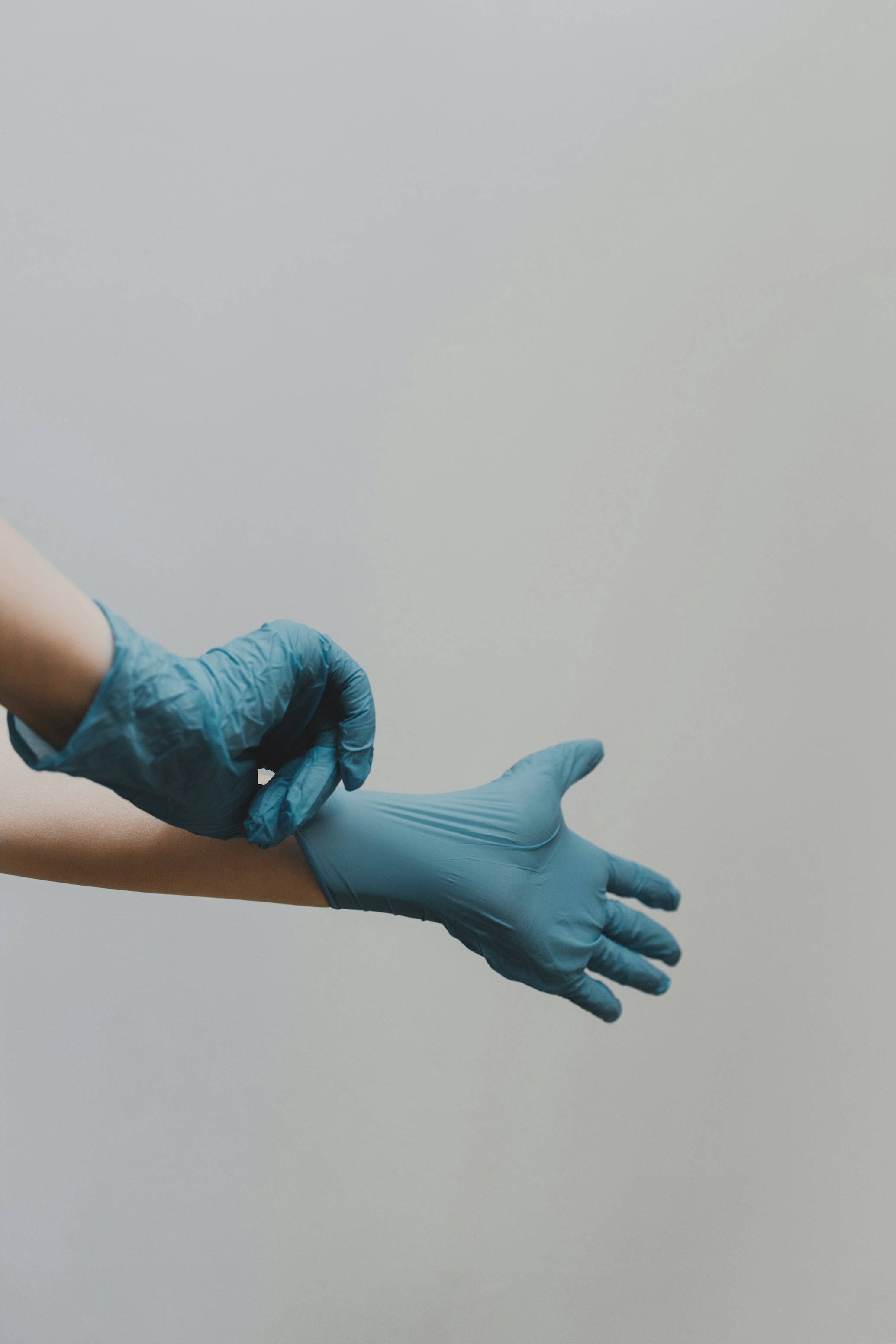
The Importance of Infection Control in Commercial Cleaning: Keeping Your Workplace Safe
In today's fast-paced business environment, maintaining a clean and safe workspace is more than just good practice—it's essential for the health and productivity of your team and clients.
Infection control plays a vital role in ensuring that commercial facilities remain free from harmful pathogens, especially in high-traffic environments such as healthcare facilities, office spaces, and educational institutions.
Understanding Infection Control
Infection control in commercial settings refers to the systematic process of preventing the spread of infectious diseases through proper cleaning, sanitization, and disinfection protocols.
It goes beyond regular cleaning by targeting the elimination of bacteria, viruses, fungi, and other pathogens that can cause illness.
High-Risk Areas in Commercial Facilities
Certain areas within a commercial facility are particularly prone to pathogen accumulation:
- Restrooms: High-touch surfaces like door handles, faucets, and flush valves
- Break Rooms & Kitchens: Shared appliances, countertops, and eating surfaces
- Reception Areas: Door handles, sign-in tablets, waiting chairs
- Conference Rooms: Shared technology, tables, chairs
- Elevator Buttons & Handrails: Touched hundreds of times per day
Effective Infection Control Strategies
1. Regular High-Touch Disinfection
High-touch surfaces should be disinfected multiple times throughout the day using EPA-registered, hospital-grade disinfectants proven effective against a broad spectrum of pathogens.
2. Electrostatic Disinfection
Electrostatic spraying applies charged disinfectant particles that wrap around and coat all surfaces—including backs of chairs, undersides of desks, and other hard-to-reach spots.
3. Proper Cleaning Sequences
Cleaning from clean to dirty areas prevents cross-contamination. Using color-coded microfiber cloths for different areas eliminates the transfer of pathogens between spaces.
4. HEPA Filtration
Vacuuming with HEPA-filter equipment captures 99.97% of particles, including allergens, dust mites, and some airborne pathogens.
5. Air Purification
Supplementing cleaning with air purification helps address airborne transmission risks, particularly important post-pandemic.
How RBM Maintenance Implements Infection Control
At RBM, infection control is embedded in every cleaning protocol:
- All staff trained in CDC-compliant disinfection procedures
- EPA-registered disinfectants used throughout facilities
- Color-coded cleaning systems to prevent cross-contamination
- Regular quality audits to verify compliance
- Detailed documentation for audit trails
Investing in proper infection control isn't just good for your employees and clients—it's good for your bottom line. Reduced absenteeism, fewer liability claims, and stronger reputation all flow from a cleaner, safer facility. Contact RBM Maintenance to learn how we can strengthen your infection control program.