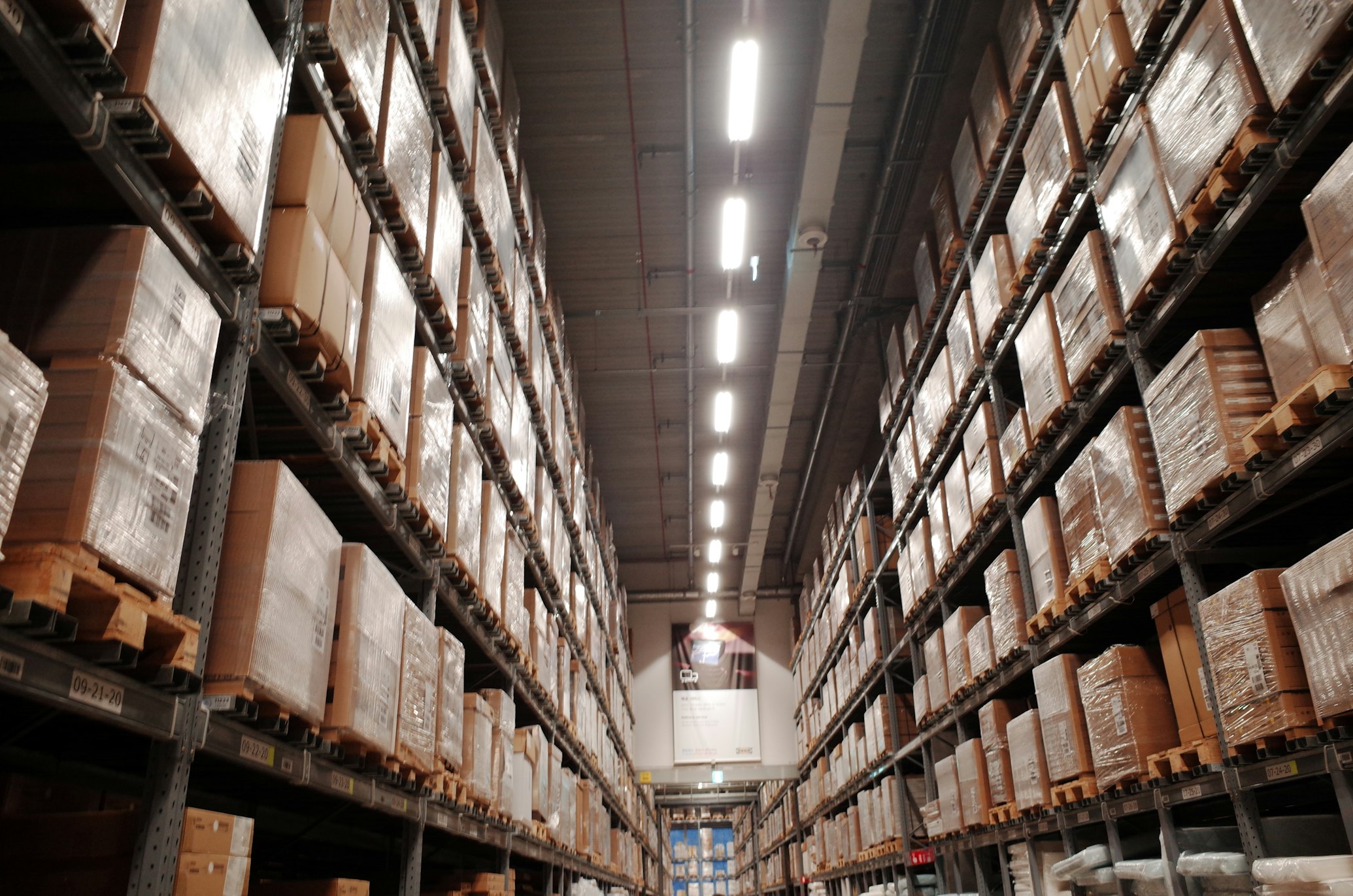
The Role of Professional Day Porters in Large Union County Distribution Centers
Union County, New Jersey is home to some of the largest distribution centers on the East Coast. These facilities—often exceeding 500,000 square feet—operate around the clock, moving goods from ports and rail to consumers across the metropolitan area.
In these 24/7 environments, traditional after-hours cleaning isn't enough. Spills happen during operations, restrooms need attention throughout the day, and high-traffic areas accumulate debris faster than nightly cleaning can address. This is where professional day porters become essential.
At RBM Maintenance, we provide day porter services to large Union County distribution centers. Here's why this role is so critical—and what to look for in a porter program.
What Is a Day Porter?
A day porter is a professional cleaning staff member who works during business hours to maintain facility cleanliness in real-time. Unlike janitorial staff who clean after hours, porters are present during operations—addressing issues as they arise and maintaining a consistent standard of cleanliness throughout the day.
Why Distribution Centers Need Day Porters
Continuous Operations
Large Union County distribution centers don't stop. With multiple shifts and 24/7 operations in many facilities, there's no "after hours" window for cleaning. Day porters maintain cleanliness during active operations without disrupting workflow.
Spill Response
In a busy distribution center, spills are inevitable:
- Forklift hydraulic fluid leaks
- Product spills from damaged pallets
- Beverage and food spills in break areas
- Water tracking from dock areas during rain
A day porter responds to spills immediately—preventing slip hazards, product contamination, and floor damage.
Restroom Maintenance
With hundreds of employees across multiple shifts, distribution center restrooms require constant attention. A day porter:
- Cleans and sanitizes restrooms multiple times per shift
- Restocks paper products and soap
- Addresses issues immediately
- Maintains compliance with OSHA hygiene standards
High-Traffic Area Maintenance
Entry areas, break rooms, and main corridors accumulate debris rapidly during operations. A day porter keeps these areas presentable and safe throughout the day.
Dock Area Monitoring
Loading docks are the highest-traffic, highest-soil areas in any distribution center. A day porter:
- Monitors dock areas for spills and debris
- Addresses stretch wrap and packaging debris
- Maintains dock plate and leveler cleanliness
- Supports safe dock operations
The Day Porter's Critical Functions
Safety Support
Day porters are often the first to identify safety hazards:
- Spills that create slip risks
- Debris in walkways and aisles
- Overflowing trash that blocks egress
- Restroom issues that affect hygiene
By addressing these immediately, porters prevent accidents and support OSHA compliance.
Operational Support
Porters support operations by:
- Maintaining clean break rooms so employees have sanitary spaces
- Keeping entry areas clear for shift changes
- Managing waste and recycling during operations
- Supporting special events or VIP visits
Quality Maintenance
While nightly janitorial cleaning establishes a baseline, day porters maintain that standard throughout the day. Without porters, facilities deteriorate significantly between nightly cleanings—especially in 24/7 operations.
Building a Day Porter Program for Your Distribution Center
Needs Assessment
RBM begins with a facility assessment to determine:
- How many porters are needed based on facility size and staffing
- Which areas need the most attention
- What shift coverage is required
- What specific tasks the porter should prioritize
Task Definition
A well-defined porter program includes:
- Restroom cleaning schedule (typically every 1-2 hours)
- Break room maintenance schedule
- High-traffic area monitoring
- Spill response protocol
- Dock area monitoring
- Trash and recycling management
Training and Integration
Day porters in distribution centers need specific training:
- Warehouse safety protocols
- Forklift awareness and pedestrian safety
- Spill response procedures
- OSHA compliance standards
- Integration with facility operations
Supervision and Quality Control
Professional porter programs include:
- Regular quality inspections
- Communication protocols with facility management
- Documentation of tasks completed
- Performance reviews and feedback
The ROI of Day Porter Services
Reduced Accidents
Immediate spill response and hazard identification reduces slip-and-fall incidents—lowering workers' compensation costs and liability.
Improved Employee Satisfaction
Clean, well-maintained facilities improve employee morale and retention—critical in Union County's competitive labor market.
Better Operational Efficiency
When facilities are maintained during operations, there's less cleanup needed after hours—allowing nightly janitorial teams to focus on deep cleaning rather than recovering from the day's operations.
Compliance Support
Documented porter activities support OSHA compliance and demonstrate facility stewardship.
Large distribution centers need more than nightly cleaning. Contact RBM Maintenance to design a day porter program that keeps your Union County facility safe, clean, and operational throughout every shift.